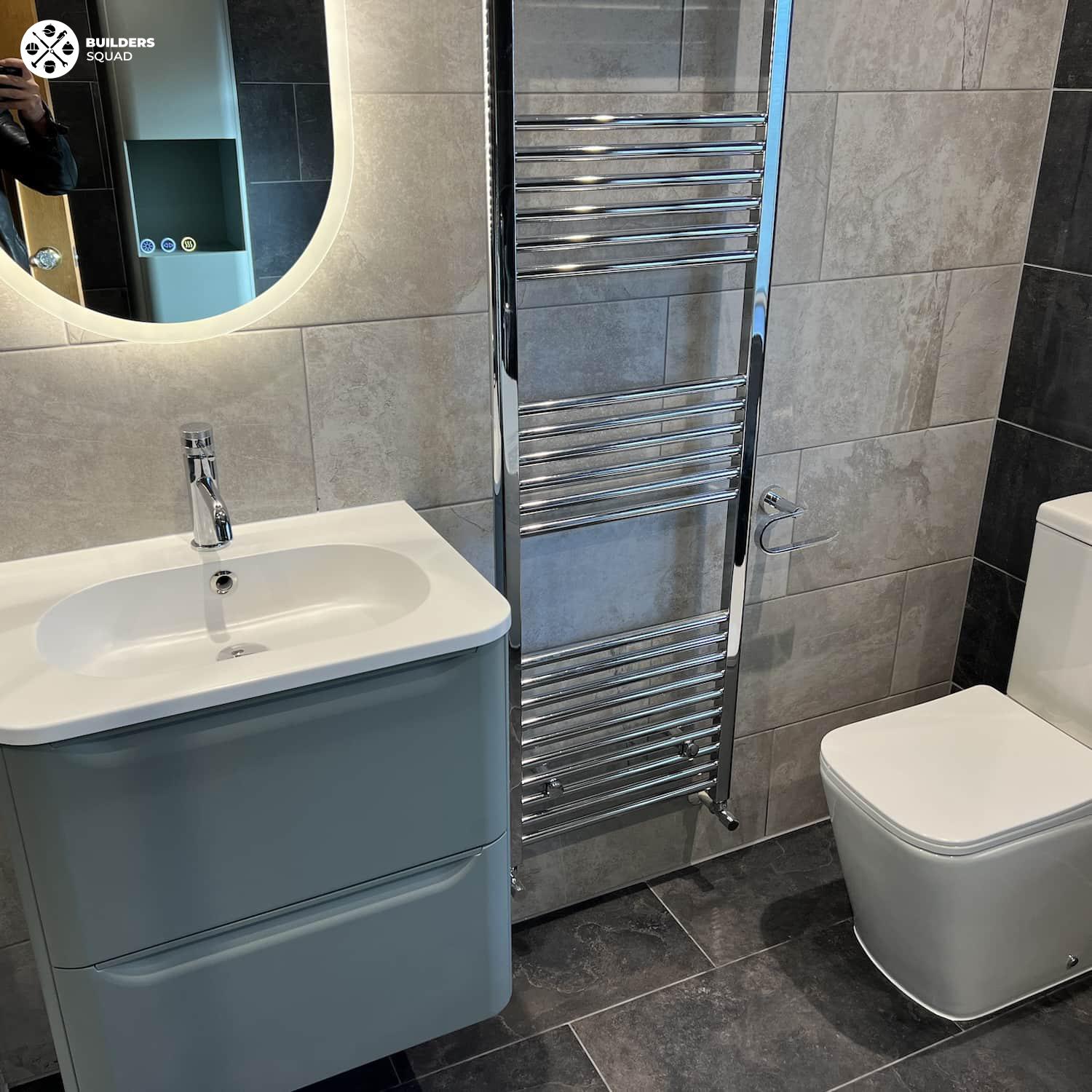
For a successful bath renovation, you’ll need a variety of essential tools. Start with measuring tools like a reliable tape measure and level for accuracy. Ensure you have cutting tools like a utility knife and tile cutter for clean edges. Plumbing tools, including a pipe wrench, are crucial for any plumbing tasks. Don’t forget electrical items like a voltage tester for safety. With the right gear, you’ll streamline your project. Looking for a modern upgrade? Choose the best bath renovation near me services available, and there’s much more to discover about what you need!
Measuring Tools
When tackling a bath renovation, having the right measuring tools is crucial for ensuring everything fits perfectly. Start with a reliable tape measure; it’ll help you accurately gauge distances and dimensions.
A level is essential too, as it ensures your fixtures, like shelves and cabinets, are straight and secure. Consider a square for checking right angles, which is vital when installing tiles or other components.
Don’t forget a measuring wheel for larger spaces; it makes measuring longer distances easier and safer. Lastly, a digital caliper can provide precision for smaller elements, ensuring your fittings are snug and safe.
Cutting Tools
Cutting tools are essential for any successful bath renovation, allowing you to shape materials with precision.
You’ll need a reliable utility knife for cutting drywall or vinyl, ensuring clean edges. A quality saw, like a circular or jigsaw, is crucial for cutting tiles or wood.
Don’t forget safety goggles and gloves; they protect you from debris and sharp edges. For more intricate cuts, a tile cutter can offer accuracy without risking damage to your materials.
If you're working with pipes or fixtures, a pipe cutter will make clean cuts, minimizing leaks later on.
Always keep your workspace organized to avoid accidents, and check your tools regularly for maintenance.
With the right cutting tools, you’ll achieve professional results safely.
Plumbing Tools
Plumbing tools are vital for ensuring a smooth and efficient bath renovation. You'll want to gather essential items such as a pipe wrench, adjustable pliers, and a basin wrench to tackle various plumbing tasks effectively.
A plumber's tape is crucial for sealing threaded connections, preventing leaks and ensuring safety in your renovation. Don’t forget a quality utility knife for cutting through materials and a plunger for any unexpected clogs.
A level will help you ensure that all fixtures are properly aligned, avoiding future issues. Always wear safety gear, like gloves and goggles, while working to protect yourself.
Investing in these plumbing tools won't only enhance your efficiency but also contribute to a safer and more successful renovation project.
Electrical Tools
While renovating your bath, having the right electrical tools is crucial for ensuring safety and functionality.
First, grab a reliable voltage tester to check for live wires before you start any electrical work. This tool helps you avoid dangerous shocks.
Next, a wire stripper is essential for preparing your wires properly, ensuring solid connections.
You’ll also need a good set of screwdrivers, specifically insulated ones, to minimize the risk of electrical hazards.
Don't forget a circuit tester to confirm that everything’s working correctly after installation.
Lastly, a sturdy extension cord can make your project easier, but ensure it's rated for the wattage you'll be using.
Safety's key, so always follow electrical codes and guidelines during your renovation.
Tiling Tools
Once you've handled the electrical work, it’s time to focus on tiling tools that will help you achieve a professional finish in your bath renovation.
You'll need a tile cutter or wet saw for precise cuts, ensuring your tiles fit snugly. A notched trowel is essential for spreading adhesive evenly, while a level helps you maintain straight lines.
Don’t forget a rubber mallet for adjusting tiles into place without damaging them. Safety goggles and knee pads are must-haves to protect yourself during the installation.
A grout float will help you apply grout smoothly, and a sponge is key for clean-up. By gathering these tools, you’ll set yourself up for a safe and successful tiling experience.
Demolition Tools
Before you can start your new bath renovation, you'll need the right demolition tools to safely remove old fixtures and materials.
A sturdy pry bar is essential for lifting and removing tiles or fixtures without damaging surrounding areas. You'll also want a hammer for breaking apart stubborn parts, and a reciprocating saw for cutting through pipes or drywall.
An angle grinder can help with tougher materials like cement backer board. Don’t forget a sturdy utility knife for precise cuts.
Always ensure you have a reliable ladder for hard-to-reach spots.
Safety Gear
As you dive into your bath renovation, don’t underestimate the importance of proper safety gear.
Wearing a hard hat protects your head from falling debris, while safety goggles shield your eyes from dust and flying particles.
Don’t forget a dust mask or respirator to safeguard your lungs from harmful inhalants. Sturdy gloves are essential for protecting your hands from sharp tools and rough materials.
Steel-toed boots provide extra protection for your feet, especially when moving heavy items. Lastly, consider knee pads for comfort and safety while working on the floor.
Investing in quality safety gear ensures you can focus on your renovation without worrying about potential injuries. Always prioritize your safety as you transform your space!
Painting Supplies
To achieve a professional finish in your bath renovation, gathering the right painting supplies is essential.
Start bathroom reconstruction with quality paint that’s moisture-resistant and suited for bathrooms. Don’t forget a primer, as it helps the paint adhere better and enhances durability.
You’ll need various brushes and rollers for different surfaces; choose synthetic brushes for water-based paints. A paint tray and extension pole will make application easier, especially in tight spaces.
For safety, use painter's tape to protect fixtures and edges. Ensure you have drop cloths to cover floors and prevent spills.
Lastly, keep a ladder handy for those hard-to-reach spots. With these supplies, you’ll create a beautiful and lasting finish while keeping safety in mind.
Fasteners and Adhesives
When you're tackling a bath renovation, having the right fasteners and adhesives is crucial for ensuring everything stays securely in place.
Choose quality screws, anchors, and nails that can withstand moisture and weight. For tiles and fixtures, opt for waterproof adhesive or thin-set mortar to prevent any leaks or damage.
Remember, the right fastener can mean the difference between a solid installation and a potential hazard. Always read product labels to confirm compatibility with your materials.
When in doubt, consult a professional for advice. Properly securing elements in your bath not only enhances aesthetics but also promotes safety, ensuring everything functions well for years to come.
Don’t compromise on these essential tools—they're the backbone of a successful renovation.
Cleaning Tools
Having the right cleaning tools on hand makes maintaining your newly renovated bath a breeze.
Start with a durable scrub brush and a microfiber cloth to tackle tough stains and dust. A gentle, eco-friendly cleaner ensures you’re not exposing yourself to harsh chemicals, keeping your space safe.
Don’t forget a squeegee for your glass surfaces; it helps prevent mold and mildew buildup. Invest in a good-quality mop for your floors, and consider a handheld vacuum for quick debris cleanup.
Lastly, a sturdy bucket can hold your supplies while also making rinsing easy.
With these tools, you’ll keep your bath looking pristine and feel confident in your safe, clean environment. Enjoy your beautiful new space while ensuring it stays in top shape!
Frequently Asked Questions
How Do I Choose the Right Color Scheme for My Bathroom Renovation?
Choosing the right color scheme for your bathroom renovation involves considering natural light, existing fixtures, and your personal style. Stick to a cohesive palette that promotes comfort and safety, ensuring it feels inviting and relaxing.
What Is the Average Cost of a Bathroom Renovation Project?
The average cost of a bathroom renovation typically ranges from $10,000 to $30,000, depending on size and materials. You’ll want to budget carefully to ensure safety and quality throughout your project.
How Long Does a Typical Bathroom Renovation Take?
A typical bathroom renovation usually takes two to four weeks. Your timeline depends on the project's complexity, contractor availability, and any unexpected issues. It's best to plan for possible delays to ensure everything's done safely.
Should I Hire a Professional or DIY My Bathroom Renovation?
Deciding whether to hire a professional or DIY your bathroom renovation depends on your skills and comfort level. If you're unsure, it’s safer to hire an expert who can ensure quality and compliance with regulations.
What Permits Are Required for a Bathroom Renovation?
You’ll likely need permits for plumbing, electrical work, and structural changes during your bathroom renovation. Check local regulations to ensure compliance, as skipping permits can lead to safety issues and costly fines later on.
Summarizing
When tackling your bath renovation, having the right tools is essential for a smooth process. From measuring and cutting to plumbing and tiling, each tool plays a crucial role in achieving your vision. Don't forget your safety gear and cleaning supplies to keep the project safe and tidy. By equipping yourself with these essentials, you'll be well-prepared to transform your space into a beautiful, functional bathroom you can enjoy for years to come. Rethink your interior with professional bathroom reconstruction to suit your lifestyle. Happy renovating!